Cultural site · Viti Levu
Sri Siva Subramaniya Temple
Photo: Dead.rabbit / Wikimedia Commons (CC BY-SA 4.0)
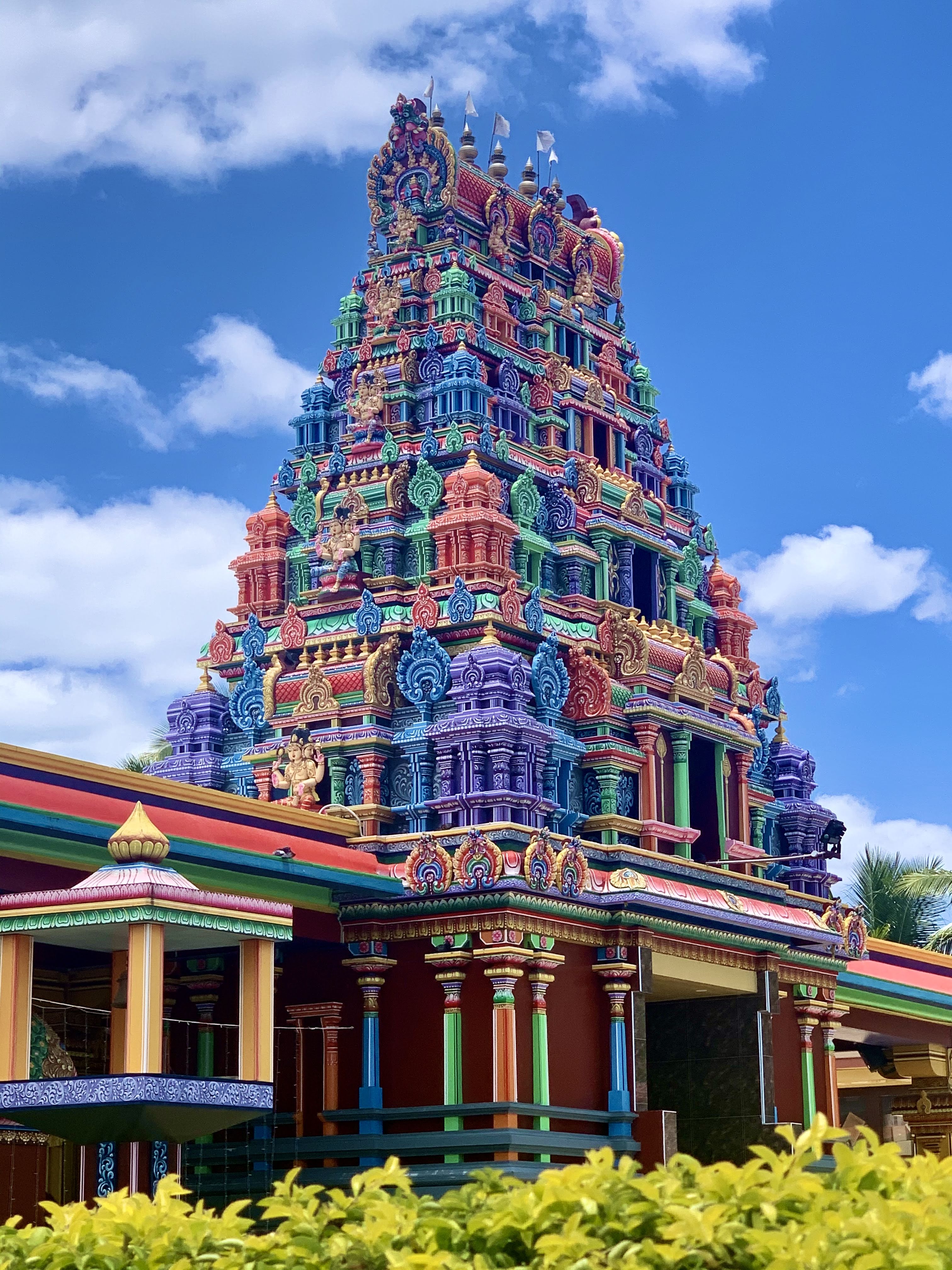
Sri Siva Subramaniya Temple is a vivid, hand-painted Dravidian-style Hindu temple located at the south end of Nadi's main street on Viti Levu. It is the largest temple of its kind in the Southern Hemisphere and stands as one of western Viti Levu's signature cultural sights. Visitors are welcome outside prayer times; modest dress is required and sarongs are provided.
A vivid, hand-painted Dravidian-style Hindu temple at the south end of Nadi's main street — the largest of its kind in the Southern Hemisphere and one of western Viti Levu's signature sights. Visitors are welcome outside prayer times; modest dress is required and sarongs are provided.
Also known as: Sri Siva Subramaniya Swami Temple, Nadi Hindu Temple
Activities that visit Sri Siva Subramaniya Temple
1 tour include this stop on their itinerary.
![Sightseeing Combo Tour [For Cruiseline passengers only]](/_next/image?url=https%3A%2F%2Fwmjmcbsrjxzvivntnayc.supabase.co%2Fstorage%2Fv1%2Fobject%2Fpublic%2Fproperty-images%2Factivities%2F822676b5-f90f-47e9-9fcc-b223c29364ed%2Fcdecee48-1f93-4e73-8b55-929be753c5c4.png&w=3840&q=75&dpl=dpl_3BfWD2xeKE1KSyggkyE6u1iKa9CT)
Ratakele Transfers & Tours
- Sightseeing
- Dependent on Cruiseliner times
- Viti Levu
Featured in our guides
Things to do in Viti Levu, Fiji: sights, tours, and day trips
Most Fiji trips land at Nadi and head straight for a boat — but Viti Levu itself rewards a few days. The island packs sand dunes, hot springs, hill forts, Fiji's biggest Hindu temple, and a working capital city into a coastline you can drive in a day. Everything below is on the main island, reachable by rental car or day tour from Nadi or the Coral Coast.
Day tours from Nadi: what you can do in a day from Fiji's arrival city
Nadi's operators run most of Viti Levu's day trips: the Sabeto hot springs and mud pools just north of town, the Biausevu waterfall village walk on the Coral Coast, fishing and snorkelling off the west coast, and full-day loops that string several together. Every tour below is run by a Fijian operator and can be booked directly on Kalena.
Where to stay in Fiji: Nadi, the Coral Coast, Suva and beyond
Fiji's main island, Viti Levu, is where most visitors sleep, and where you stay depends on what you came for: Nadi and Denarau for the airport and the island ferries, the Coral Coast between Sigatoka and Pacific Harbour for beach resorts, Suva for the capital and its markets. Kalena lists Viti Levu properties with guest ratings from verified sources.
Best resorts in Fiji: Viti Levu's top-rated beach and golf resorts
Fiji's resort belt runs along the south and west of Viti Levu: Denarau Island beside Nadi, Natadola and Momi Bay to the south, the Coral Coast from Sigatoka to Pacific Harbour. Kalena lists 34 rated resorts across those areas; the list below is ordered by guest rating from verified sources, not by who pays for placement.
Fiji in the dry season: what to expect (May–October)
Fiji's dry season runs roughly May to October — lower humidity, less rain and cooler nights than the rest of the year — and it's also the country's peak season, since it lines up with school holidays in Australia and New Zealand. That means better odds of a clear day for the outdoor tours below, but also busier resorts and tours that are worth booking ahead rather than on arrival, particularly around the July and September/October school-holiday windows. The wet season, November to April, is hotter and more humid with afternoon rain that tends to clear rather than settle in, so mornings are the safer slot for anything outdoors if you're travelling then. Either season, Viti Levu's day trips and beaches are open for business — this guide is about setting expectations, not steering you away from either half of the year.
Stay nearby on Viti Levu

Sri Siva Subramaniya Temple in detail
- About
- A vivid, hand-painted Dravidian-style Hindu temple at the south end of Nadi's main street — the largest of its kind in the Southern Hemisphere and one of western Viti Levu's signature sights.
- Who it suits
- Cultural and religious heritage visitors who wish to experience Hindu architecture and worship spaces.
- What to expect
- Visitors are welcome outside prayer times. Modest dress is required and sarongs are provided.
Last updated 18 September 2026