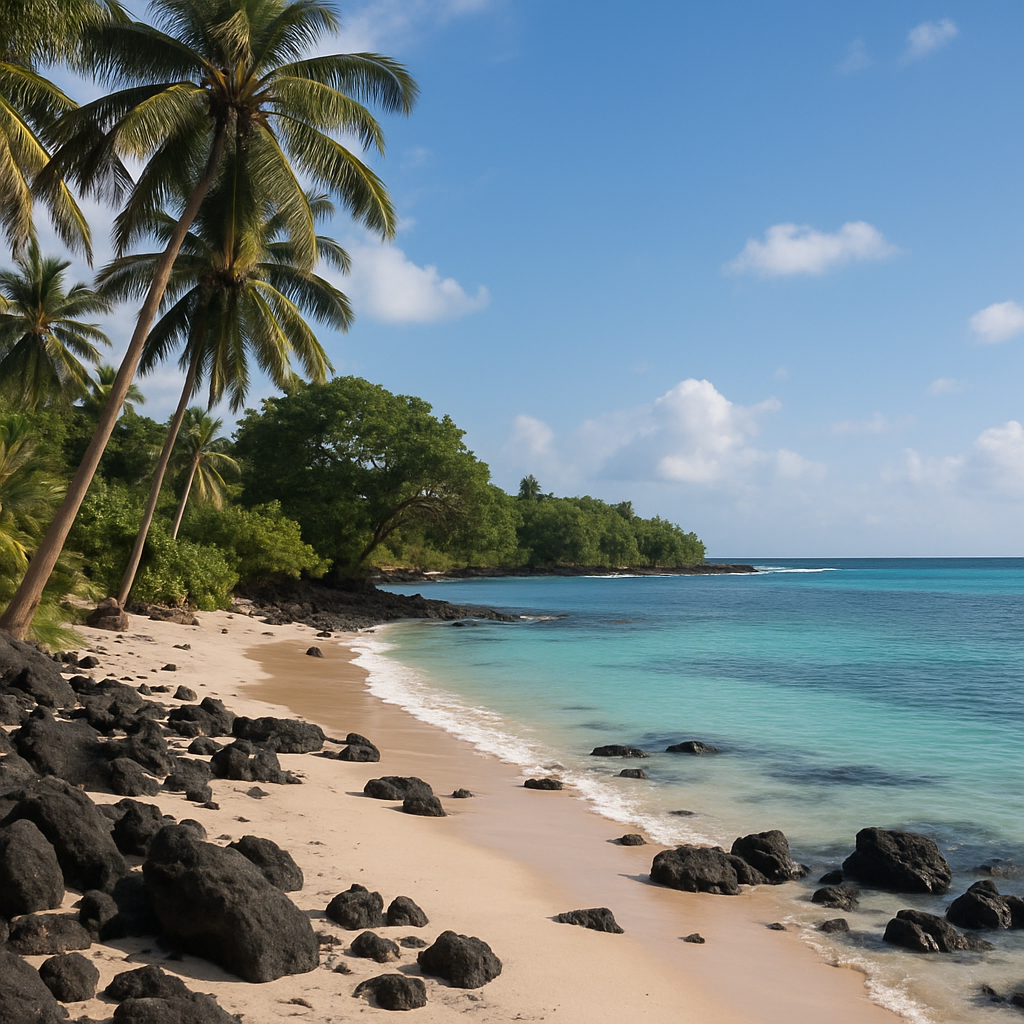
Beach · Savaii
Asaga Beach
Asaga Beach is a small, quiet beach on the north coast of Savai'i near Asaga village in Samoa. It offers free public access every day of the week and makes a low-traffic coastal stop rather than a full beach-day destination. The beach is open all day, all week.
Small north-coast beach near Asaga village on Savai'i — free public access, available all week. A quiet, low-traffic stop rather than a destination beach day.
Featured in our guides
Best stays in Savai'i, Samoa
Savai'i is the second-largest island in Polynesia and Samoa's quiet half — most travellers spend two or three nights here on a Samoa trip. Accommodation is mostly family-run: traditional beach fales along the coast, a handful of mid-range resorts, and a few eco-lodges set back from the road.
Best beach fales in Samoa: traditional open-air stays
The beach fale (pronounced FAH-leh) is Samoa's signature stay — a traditional thatched-roof hut, open to the ocean breeze, on the sand. You sleep on a mattress with a mosquito net, the family runs the kitchen, and dinner is whatever was caught that day. It's the cheapest and most authentic way to stay in Samoa.
Things to do in Samoa: tours, activities, and day trips
Samoa rewards travellers who get out of the resort. Most of the iconic photos (To-Sua, Lalomanu, Alofaaga blowholes, the canopy walk) are 60–90-minute drives from wherever you're staying — and the easiest way to see them is on a guided tour with a local operator who knows the village fees and the best swimming windows.
Best beaches in Samoa
Samoa's beaches are the kind that consistently top "world's best" lists and somehow stay uncrowded. Most are on customary land — you'll pay a small village fee (typically WST 5–20) at the gate, which goes back into maintaining the site. Below: the ones our travellers come back about.
Stay nearby on Savaii


Asaga Beach in detail
- About
- A small, quiet beach on Savai'i's north coast near Asaga village. Free public access, available all week — a peaceful stop rather than a busy destination beach.
- Getting there
- Located near Asaga village on Savai'i's north coast.
About Asaga Beach
Is there an entry fee?
Most Samoan village beaches charge a small access fee per car or per person (typically WST 5-20), paid to the village landowner on arrival. The fee supports the village — bring small notes.
When is the best time to visit?
Mornings before midday are calmer with better visibility for swimming and snorkelling. Afternoons can bring stronger winds and chop on more exposed coasts.
Is it safe to swim?
Most reef-protected lagoons are calm and safe at all tides; reef-edge beaches can have strong currents at low and changing tides. Check with the village or your accommodation about conditions on the day, and avoid swimming alone.
What facilities should I expect?
Some beaches with active access fees provide basic toilet huts and shaded shelter; many quieter ones offer parking only. Bring your own water, snacks, and reef-safe sunscreen.
Last updated 15 October 2026