
Natural pool · Savaii
Alofaaga Blowholes
Photo: Unknown author / Wikimedia Commons (CC BY-SA 2.5)
Alofaaga Blowholes are volcanic vents in the basalt shelf at Taga village on Savai'i's south-west coast. Waves force seawater 20+ metres into the air through the blowholes. Locals often toss a coconut into the smaller hole on a good day to watch it shoot skyward. The show is best during higher tide with a southerly swell—the bigger the surf, the bigger the display.
Volcanic vents in the basalt shelf at Taga village on Savai'i's south-west coast, where each big swell forces seawater 20+ metres into the air. Locals will toss a coconut into the smaller hole on a good day so you can watch it rocket skyward. Best on incoming tide with a southerly swell — the bigger the surf, the bigger the show.
Also known as: Alofaaga, Alofaaga Blowhole, Savai'i Blowholes, Taga Blowhole, Taga Blowholes
Alofaaga Blowholes on YouTube
Recent visitor videos

Alofaaga Blowholes (Savai'i)
Samoan Style · 2K views
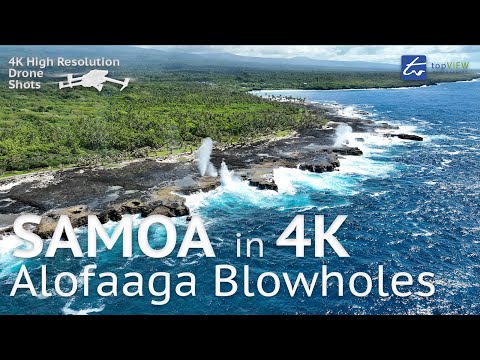
Alofaaga Blowholes, Samoa - 4K Drone Aerial Views
topVIEW · 323 views

Samoa "Alofaaga Blowholes: Nature's Spectacle on the Coast of Savai'i"
Optimistic Travel · 318 views
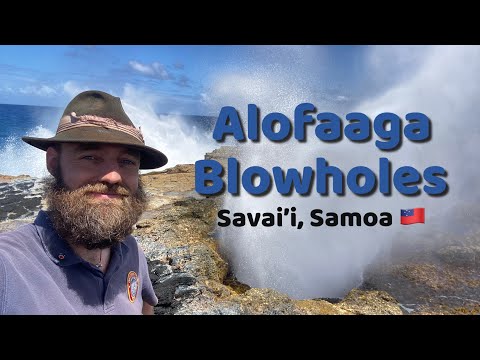
Alofaaga Blowholes, Savai'i, Samoa ❤️🇼🇸🌴
Thor Pedersen · 697 views
Activities that visit Alofaaga Blowholes
1 tour include this stop on their itinerary.

Featured in our guides
Dedicated guide
Visiting Alofaaga Blowholes — full guide
Stays nearby, activities that include Alofaaga Blowholes, practical info — all on one page.
Best stays in Savai'i, Samoa
Savai'i is the second-largest island in Polynesia and Samoa's quiet half — most travellers spend two or three nights here on a Samoa trip. Accommodation is mostly family-run: traditional beach fales along the coast, a handful of mid-range resorts, and a few eco-lodges set back from the road.
Things to do in Samoa: tours, activities, and day trips
Samoa rewards travellers who get out of the resort. Most of the iconic photos (To-Sua, Lalomanu, Alofaaga blowholes, the canopy walk) are 60–90-minute drives from wherever you're staying — and the easiest way to see them is on a guided tour with a local operator who knows the village fees and the best swimming windows.
Stay nearby on Savaii


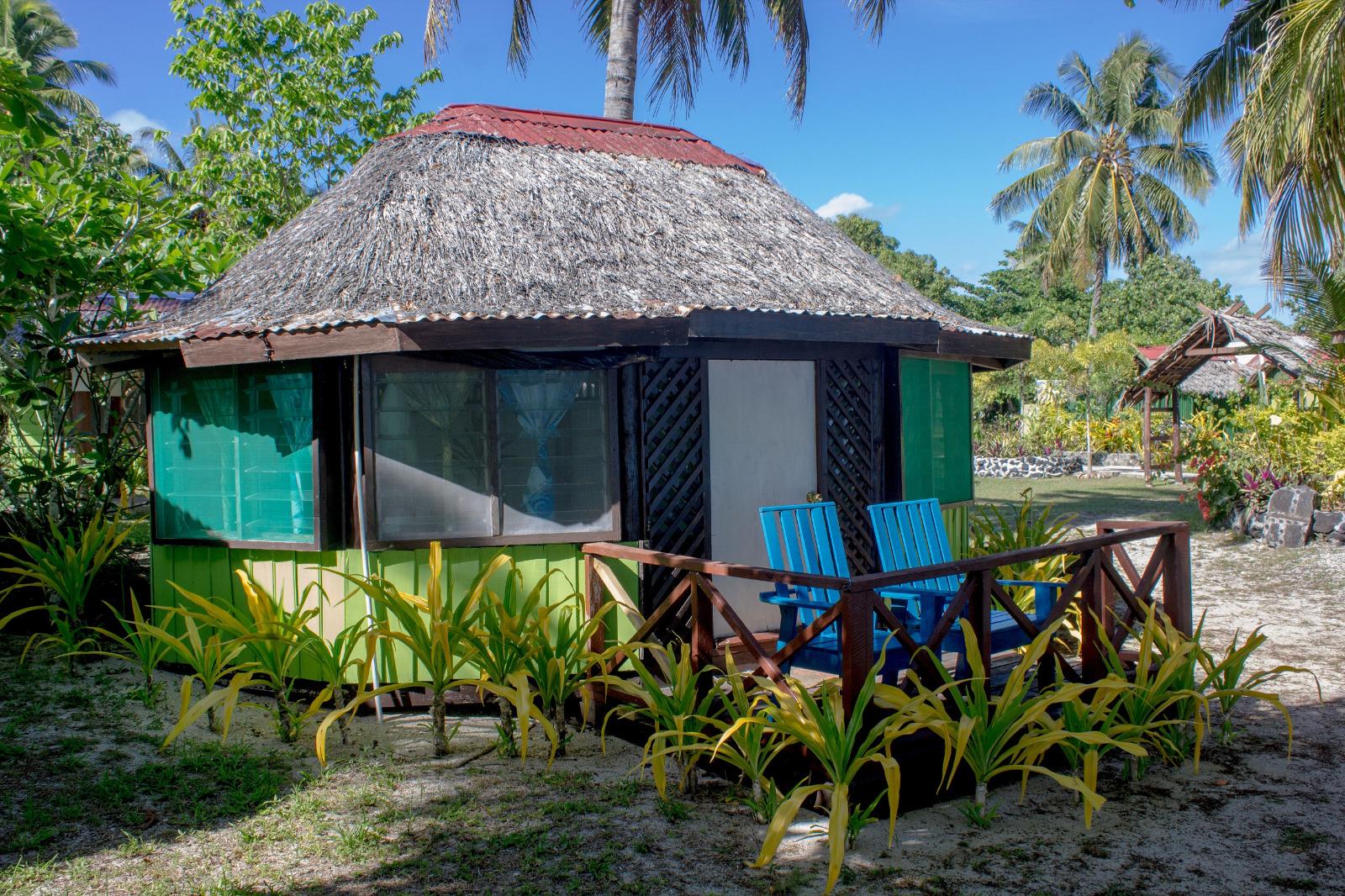

Alofaaga Blowholes in detail
- About
- Volcanic vents in the basalt shelf at Taga village on Savai'i's south-west coast, where each big swell forces seawater 20+ metres into the air. Locals will toss a coconut into the smaller hole on a good day so you can watch it rocket skyward.
- Best time to visit
- Best on incoming tide with a southerly swell — the bigger the surf, the bigger the show.
- Getting there
- Located at Taga, on Savai'i's south-west coast.
About Alofaaga Blowholes
Is there an entry fee?
Most Samoan waterfalls, natural pools, and caves sit on village or family land and charge a small access fee (typically WST 5-30) paid at the entrance. Bring small notes.
Can I swim here?
Most freshwater pools at the base of waterfalls are swimmable when water levels are reasonable; rope swings or ladders may be present. Swim at your own risk — there are no lifeguards, and rocks can be slippery. After heavy rain, swimming may be unsafe due to debris and stronger currents.
When is the best time to visit?
Morning to early afternoon for the best light and photography. Avoid visits during or just after heavy rain when access tracks can be slippery and pools turbid.
What should I bring?
Reef shoes or sandals with grip, swimwear, towel, drinking water, a small denomination of cash for the entry fee, and insect repellent.
Last updated 9 September 2026